Subjects Represent How Imperial Gold Maca™
May
Influence The Body When Used As Directed.
HOME
Order Maca
Hot Maca Deals
What Is
Maca?
Maca Cultivation
Royal Oil of Oregano
Free Samples
Royal Energized Iodine
Gelatinized Maca
Gelatinized Maca Trials
Women's Health
What Is Estrogen Imbalance
Maca Nutrition Chart
Maca Testimonials
What is Andropause
Fibromyalgia Links
What Is
Fibromyalgia
Men's Health
Books About Maca
Androgens
Super Male with
Horny Goat Weed
Testosterone
Erectile Dysfunction
Mood Swings
Infertility
Hot
Flashes
Depression
Impotence
Estrogen
Health &
Aging
The Passion Plant
Male
Menopause
Perimenopause
Progesterone
Aging and
Sexuality
Natural HRT
Important
Links
Maca
Research
Maca
Wholesale
Nutritional Value
Maca For Health
Practitioners
Health Professional Reseller
Osteoporosis
What To Expect
Contact Us
Your Feedback
Be Our
Distributor
Return Policy
On
Line Security
HealthWell.com



|
|
When Only The Very Best Will Do! |
|
Maca
(Lepidium
peruvianum Chacon) |
|
Fresh picked Imperial Gold Maca™ is harvested naturally at the highest
Andean peaks in Peru and analyzed at the National University of
Agriculture at La Molina, Peru for potency and
purity. |
|
Description |
Imperial Gold Maca™
in powder, soluble, yellowish golden color and pleasant characteristic smell,
high value of nutrition and energizer for the body and over all physical
condition |
|
Process |
-
Selecting And
Sowing
-
Preparation of the
vegetable raw material in the location
-
Drying, milling,
process packaging. (See Chart Below)
|
|
Results |
100% Pure Organic
Premium Quality Maca Powder, completely soluble, which supports and
increases digestion by (92% - 98%) and the immediate availability
nutrition for the human organism.
An imminent advantage
of this product is it's solubility in any beverage, while this is not
the case with the normal crude milling process of low grade MACA'S.
The natural treatment of this product undergoes careful
preparation, increases to a very high degree it's digestibility which is
an important feature, as the existing starches can be used immediately
by the human organism.
|
|
Packaging |
-
Heavy plastic bags
in the following sizes
-
Weights of 1kg, 5
kg,10kg and 50kg or more
ORDER HERE -
PRODUCTION FACILITIES
-
As per individual
custom requirements
|
|
Usage |
Anemia, Aphrodisiac,
Energizer, Fertility Enhancement, Impotence, libido enhancing
fertility, memory, menstruation, menopause, tonic, tuberculosis,
Fibromyalgia symptoms and Thyroidal conditions. |
|
Nutrition Chart
(sample of 100g)
|
Sample |
Results
|
Tolerance
|
|
01 humidity |
4.70
|
5.10
|
|
02 fats |
1.02
|
1.50
|
|
03 carbohydrates |
76.20
|
76.80 |
|
04 energy (in Kcal) |
370.78 |
370.4 |
|
05 residues (15%
humidity) |
3.46 |
3.4 |
|
06 acids |
0.62 |
0.50 |
|
07 phosphor |
128.85 |
128.35 |
|
08 iron |
7.85 |
8.0 |
|
09 calcium |
379.41 |
390.41 |
|
10 vitamin C |
13.24 |
13.98 |
|
11 niacin |
8.44 |
8.79 |
|
12 proteins |
14.20 |
14.15 |
|
13 fibers |
3.22 |
3.97 |
|
14 degree of
gelatinized. |
98.10 |
92.98 |
|
15 starches |
15.70 |
15.18 |
|
|
The Plant And Its
History |
COPYRIGHTED IMAGE
A Healthy Alternative, LLC ©
200-2018 ALL RIGHTS RESERVED
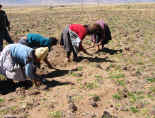
Maca is a hardy perennial
plant cultivated high in the Andean Mountains at altitudes between
11,000 to 14,000 feet. It grows as a mat-like stem system. Maca leaves
grow close to the ground and the plant produces a small self-fertile
off-white flower typical to the mustard family, which it belongs to. The
part we are interested in, is the pear-like tuberous root which is about
8cm in diameter and of a pale-white color. Although it is a perennial,
it is reproduced by seeds
which require around 8-10 months for harvesting.
The
habitat of Maca is the inhospitable land of the high Andes, where in
fact nothing grows anymore. The land is exposed to intense sunlight,
violent winds and a rough climate below freezing temperatures.
conditions. Due to the rocky soil, and it's extreme weather
conditions, this land belongs to the poorest and worst farmlands of
the world, but over the course of time the Maca plant learned to grow
under these conditions and possesses very substantial medicinal and
nutritional value.
Archeological
evidence has been found, that has shown that Maca was domesticated
over 2000 years ago by the predecessors of the Incas and primitive
cultivars of Maca were even found in places dating back to 1600 years
before Christ.
For
the indigenous inhabitants of the Andes, Maca is a vital and valuable
nutritional food commodity. Because so little grows in this region,
Maca is often used for trading against other staple food like beans.
rice, corn and sugar. It had been used over the ages for its
nutritious and medicinal advantages. Maca is rich in natural sugar,
proteins, starches and important minerals, especially in iron and
iodine. (see above)
Maca
can be consumed fresh or dried. The fresh roots are considered a treat
and are roasted over fire or in ashes similar to the preparation of
the sweet potato (batata) Even a fermented drink chicha is
prepared in some regions of Peru.
Imperial
Gold Maca™ is available in capsules and raw powder.
Read
More About This Here
|
|
MANUFACTURING FLOW CHART FOR |
|

HOW WE CULTIVATE OUR
CROPS
|
|
SEED
SELECTION |
|
| |
|
SOWING
TIME |
|
| |
|
HARVEST |
|
| |
|
NATURAL
SUN DRYING |
|
| |
|
FIELD
SELECTION |
|
| |
|
TRANSPORTED
TO PLANT |
|
| |
|
SELECTION
IN PLANT |
|
| |
|
STORAGE
|
|
| |
|
WEIGHING
AREA |
|
| |
|
CHOOSING
SELECTIONS |
|
| |
|
CLEANSING |
|
| |
|
CRUSHING
|
|
| |
|
SUN
DRYING AND WARM
AIR BLOWERS |
|
| |
|
FINE
MILLING - POWDER MESH |
|
| |
|
PACKAGING |
|
Information on this site is
provided for informational purposes and is not meant to substitute for the
advice provided by your own physician or other medical professional. You should
not use the information contained herein for diagnosing or treating a health
problem or disease, or prescribing any medication. You should read carefully all
product packaging. If you have or suspect that you have a medical problem,
promptly contact your health care provider.
Information and statements
regarding dietary supplements have not been evaluated by the Food and Drug
Administration and are not intended to diagnose, treat, cure, or prevent any
disease.
|
Copyright © 2000-2018 ImperialGoldMaca.com. All Rights Reserved.

Privacy
Statement |
Safe Shopping |
Terms Of Use |
Copyrighted Material
|
|